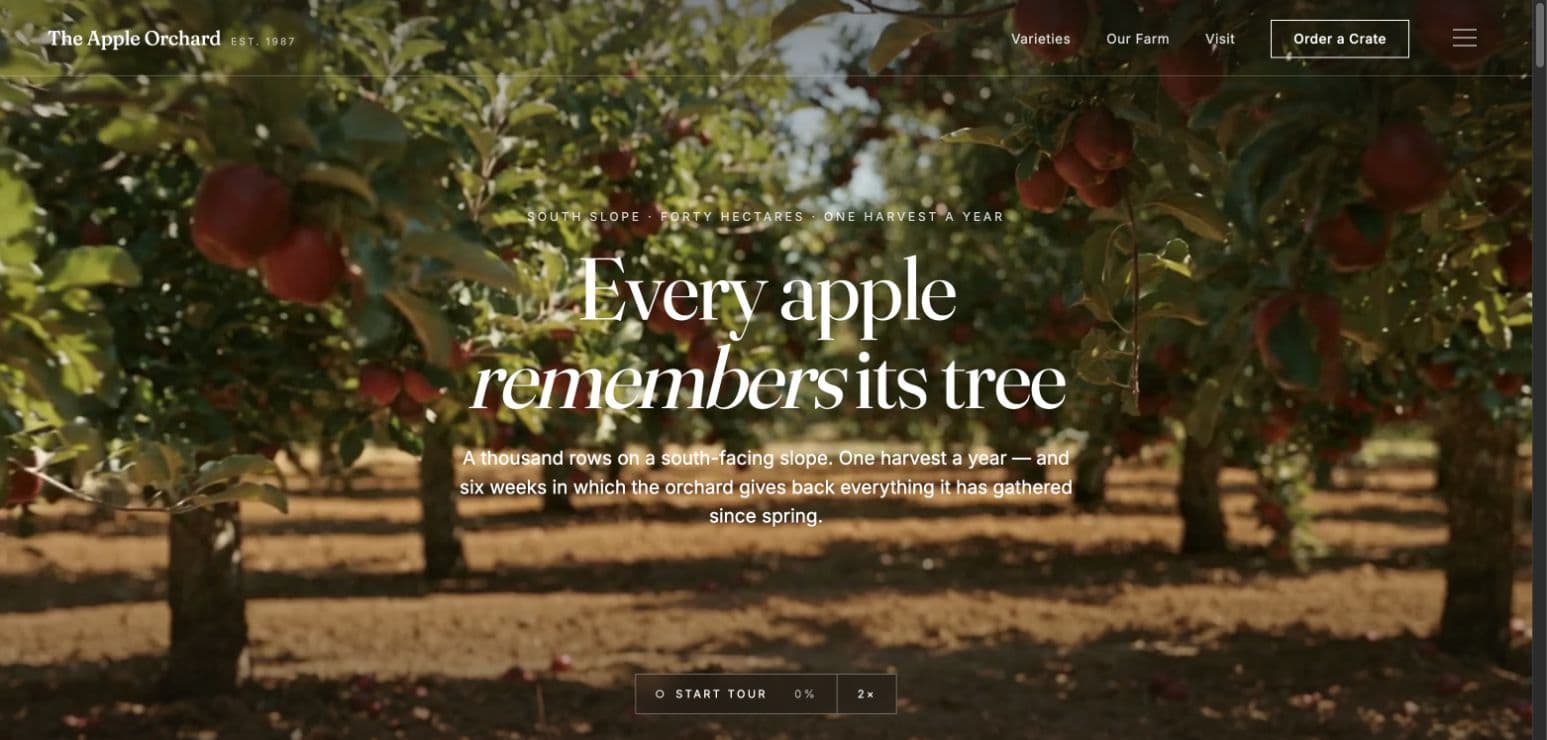



Smartstorify
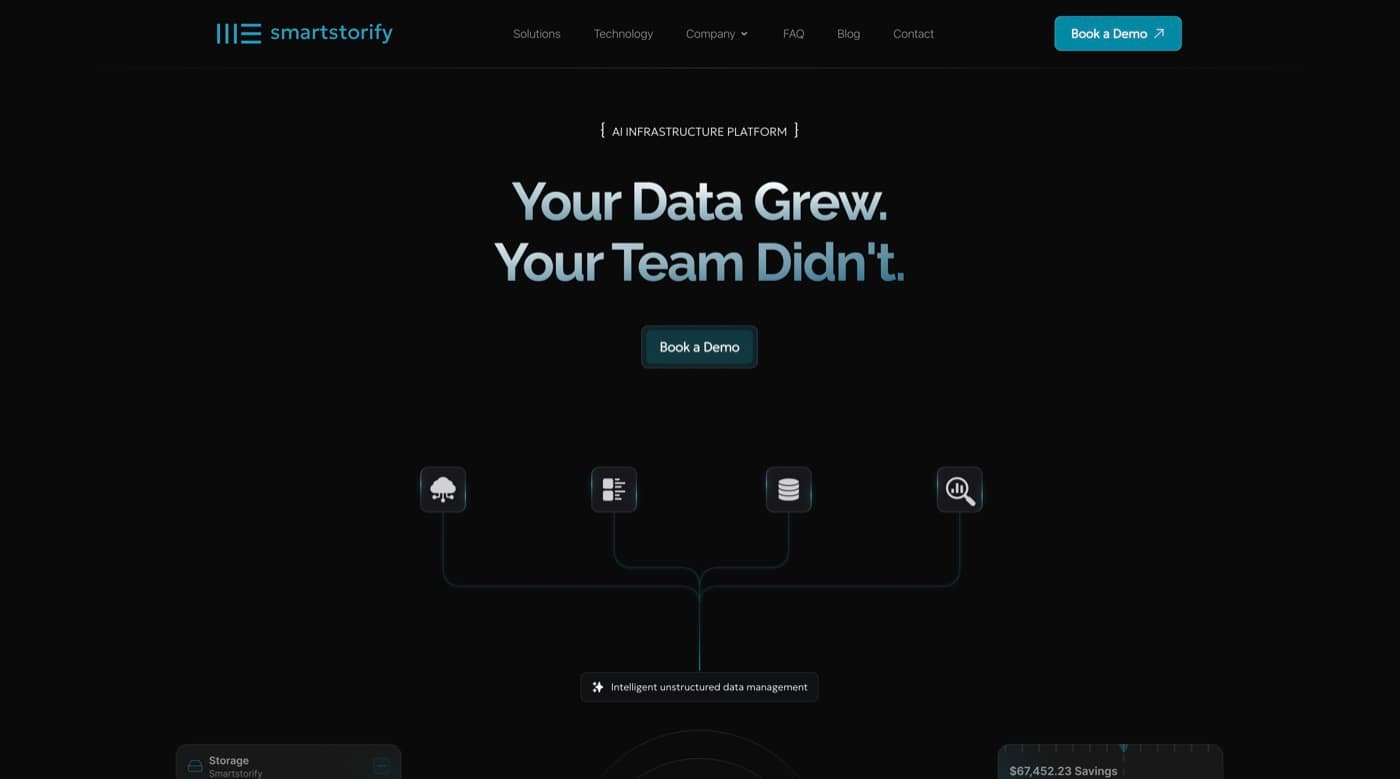
Joined a command-line prototype as its designer — product, design system and frontend for an AI platform that classifies petabyte-scale data to cut storage cost and keep enterprises compliant.

Hover the flower
What I design and build
UX/UI and product design, end to end.
A psychologist by first degree: discovery interviews, site visits, moderated usability sessions and A/B tests — with the people who do the job, not a proxy for them.
Discovery interviews · Usability testing · Field research · A/B testing · Competitive analysis · Product analytics
AI platforms, data-heavy dashboards, multi-role systems — a 5,000-category classification taxonomy, or a report filled in with gloves on. Different problems, same job: make it readable.
UX / UI Design · Product Design · User Flows · Prototyping · Interaction Design · Design Systems
Four products designed from nothing — a console prototype, an AI chat with no interface, a founder's idea with one developer, and my own app now on iOS and Android.
B2B & B2C · SaaS platforms · AI products · E-commerce · Mobile apps · Dashboards
Design and frontend happen side by side rather than in sequence: I vibecode as I design, so what ships stays close to what I drew.
Claude Code · Codex · ChatGPT · v0 · Higgsfield (AI video & image) · Interfaces for AI automation
Around 31 people taught — a curriculum I wrote and three courses I ran — plus a junior designer I mentored through his first months.
An early product has to be showable before anyone can judge it. I help take one to that level and build the materials that explain it — structure and content, not only slides.
Pitch decks · Product narrative · Content structure
The same four steps whether it is a mobile app, a SaaS platform, or an AI product.

Market, users, and the constraints that actually shape the product — before a single screen exists.

Flows, information architecture, and the interface — from the first sketch to a design system that holds together.

A working frontend, vibecoded rather than handed off — a quality foundation laid through AI, knowing what stack fits where and why.
A live product, then the unglamorous part — measuring what happened and making it better.
B2B and B2C — AI platforms, SaaS, e-commerce, and mobile apps.
Joined a command-line prototype as its designer — product, design system and frontend for an AI platform that classifies petabyte-scale data to cut storage cost and keep enterprises compliant.
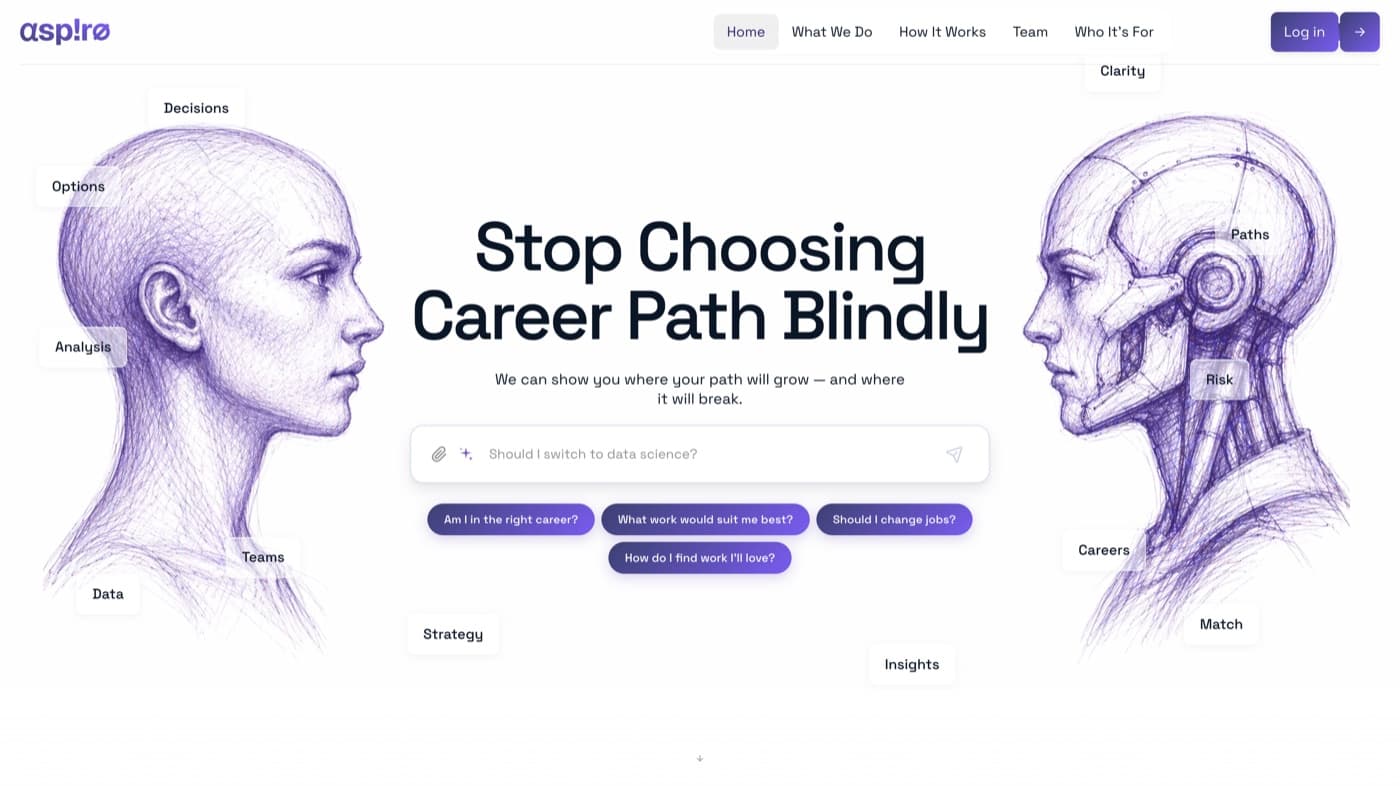
It was an AI chat and nothing else. With the founder and one developer, I designed the product people meet — the agent's behaviour, the brand, and the site — for a platform that guides careers with psychometrics and genetics.
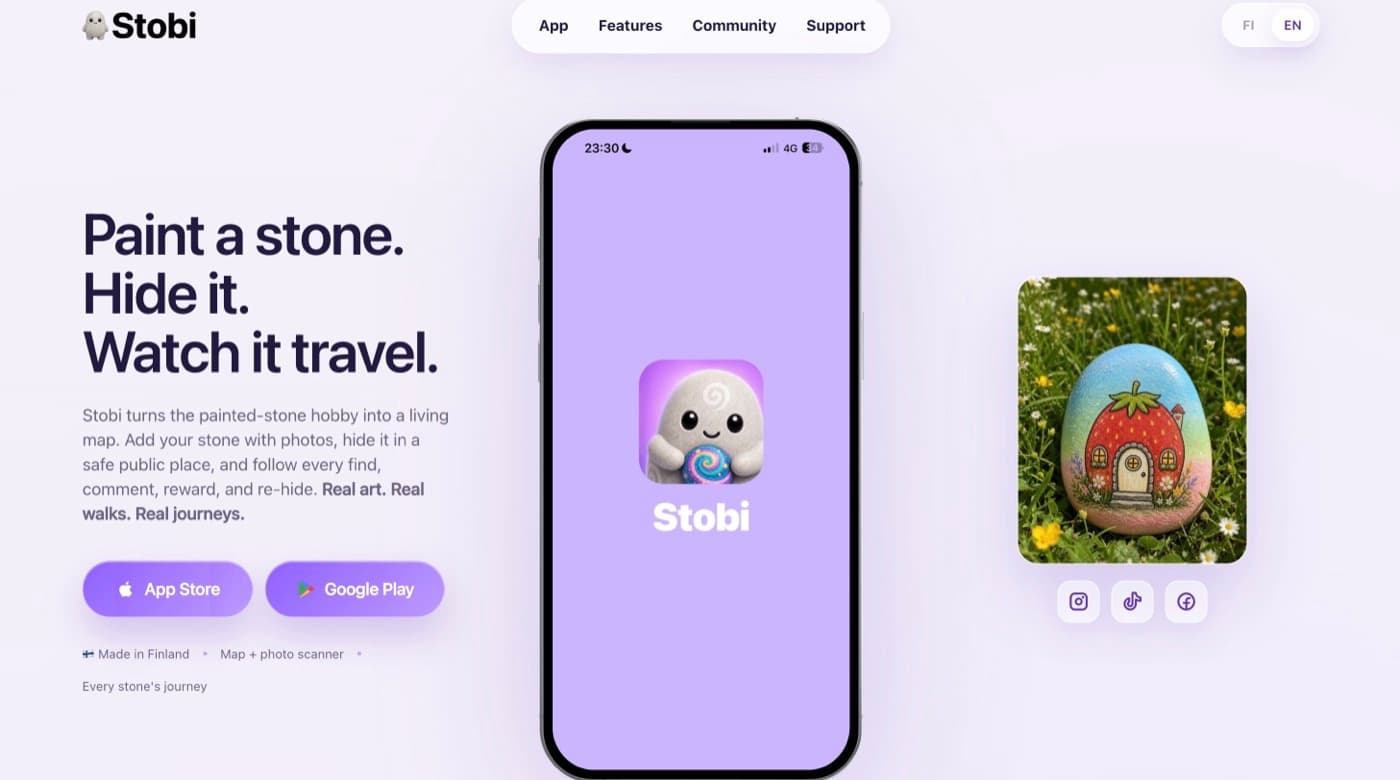
My own product: research, product model, brand, frontend and part of the backend, with a backend and AI specialist on the system beside me. Live on iOS and Android, in early testing with its first users.
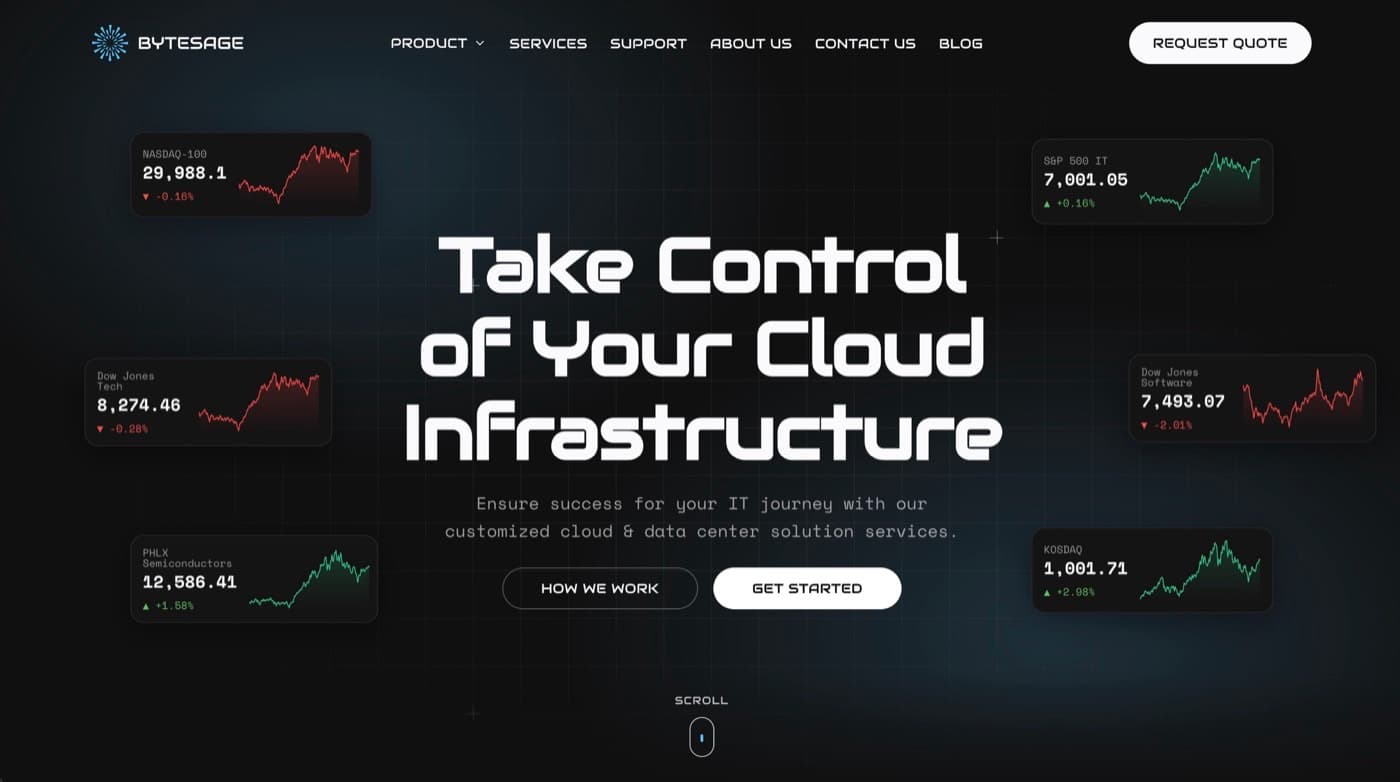
Led the design and vibecoded the frontend for a cloud provider selling to regulated industries — and used the project to train the studio's junior designer alongside me.
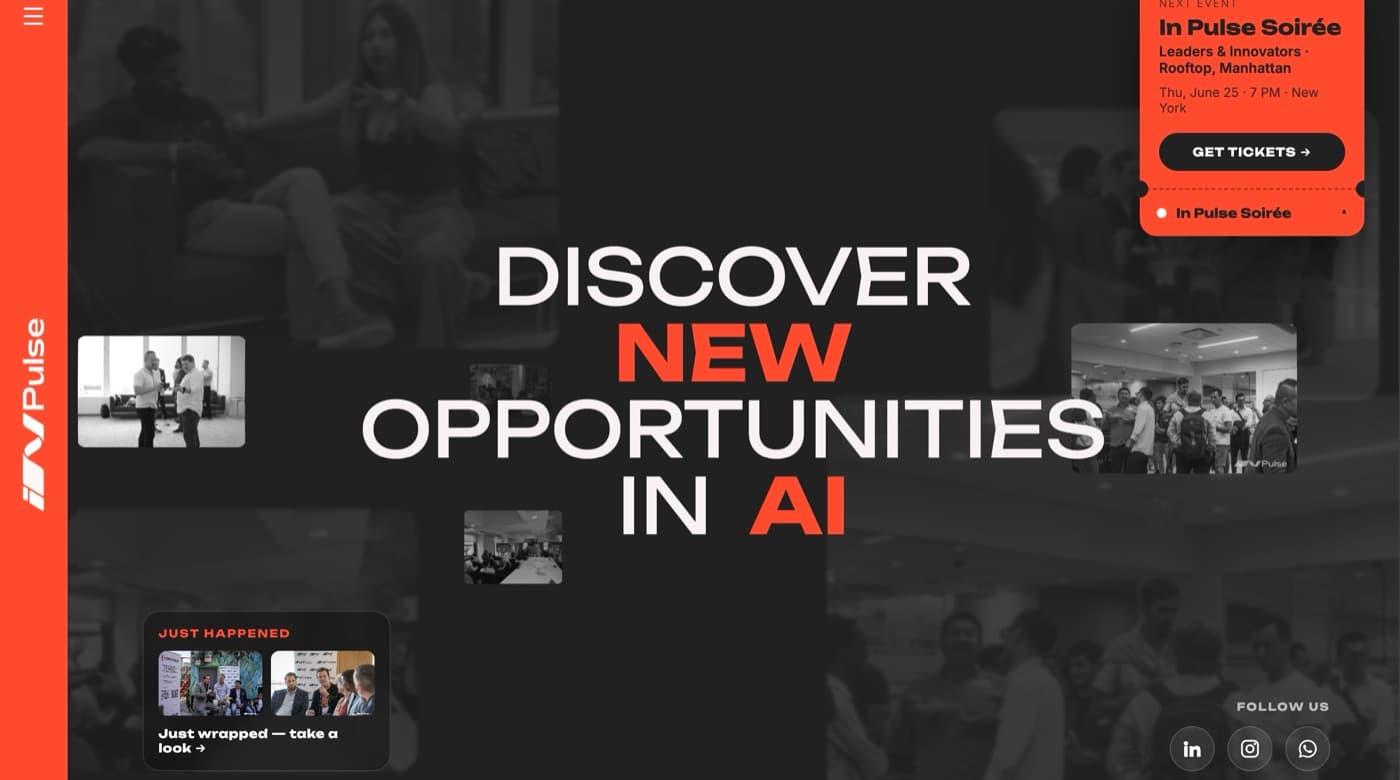
Platform for curated AI events in New York — Venture Salon and In Pulse Soirée — connecting founders, investors, and tech leaders, with an AI-powered product inside.
The complete collection — every product, with the process and the decisions behind it.
View all projectsBoth, though not in equal measure — design is the main thing I do. The frontend I vibecode rather than write by hand: I read the languages well enough to judge what comes out and to pick a stack that suits the product. On Stobi, my own app, I did part of the backend the same way.
B2B and B2C — AI platforms, SaaS, e-commerce, mobile apps and marketing sites. A smart-fridge touchscreen, a data platform working at petabyte scale, a WhatsApp-native tool for construction.
Closely. I build design systems meant to hold up after handoff, and I read enough HTML, CSS and JS — and know enough about stacks like React, Next.js, Supabase and Vercel — to follow the conversation and avoid asking for things that are unreasonable to build. I don't write the code by hand; what I build, I vibecode.
Vantaa, Finland. Most of my roles have been remote or hybrid, so remote is the usual case for me.
A conversation about the problem rather than the screens. Research and constraints first, then flows, interface, design system and the build — roughly the four steps above, whatever the product is.
Yes — open to full-time product roles. The fastest way to reach me is email.
Tell me about it. I'll say honestly whether I'm a good fit, and where I would start.
available for work · Full-time roles · Remote worldwide
Based in Vantaa, Finland